
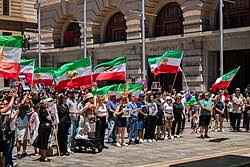
Iran in 2026
In 2026, Iran stands at one of the most consequential moments or Iran and Iranians 2026 in its modern history — beset by fierce internal unrest, deep economic decay, foreign military confrontation, and social fragmentation.
What is unfolding today is not merely a political storm; rather, it is a multi‑layered crisis with domestic and global repercussions.
Was There an Official War between Iran-USA-Israel?
US–Iran War Fears 2026 | Iran-US Conflict
Israel–Iran Tensions Escalate 2026: Middle East on Edge
Political Turmoil and Social Unrest
Most fundamentally, Iran faces unprecedented nationwide protests that began in late December 2025 and continue into 2026. Sparked by skyrocketing inflation, severe economic hardship, and public discontent with governance, these protests have grown into massive demonstrations across cities and provinces.
At their heart, these demonstrations represent more than economic frustration. Many protestors are calling for systemic change, challenging the legitimacy of the ruling clerical establishment and demanding greater freedoms — an escalation from previous cycles of discontent.
Tragically, the Iranian government’s response has been marked by brutal repression. Independent and human rights groups estimate that thousands may have been killed, particularly during violent crackdowns in early January 2026 — events now referred to as the 2026 Iran massacres.
Moreover, violent episodes such as the Rasht and Fardis massacres stand as grim reminders of how severely the protests have been suppressed.
Digital Silence: Iran and Iranians 2026
As the movement spread, the Iranian authorities also implemented one of the most extensive internet blackouts in the country’s history. Since 8 January 2026, access to global internet platforms has been severely restricted, with only limited access to state‑approved services.
This digital blackout serves dual strategic purposes: limiting coordination among protestors and restricting independent reporting of violence. However, it has also greatly hurt daily life and economic activity — from commerce to communication — further deepening public frustration.
1. Nationwide Internet Blackout
Since January 8, 2026, the Iranian authorities have imposed one of the most extensive internet blackouts in the country’s history. This blackout has involved:
- Complete shutdown of social media platforms such as Instagram, Twitter, and Telegram, which have traditionally been used for citizen journalism.
- Blocking of VPNs and proxy services, leaving very few ways for Iranians to bypass the restrictions.
- Slowdown or throttling of international internet access, making even basic communication and information sharing extremely difficult.
This move was explicitly intended to disrupt coordination among protestors, prevent the spread of protest-related content, and control the narrative within state media channels.
2. Economic and Social Impact of Digital Restrictions
The internet blackout has not only silenced voices but also significantly affected Iran’s economy:
- E-commerce platforms have been unable to operate normally, resulting in lost revenue for small and medium businesses.
- Banking and financial transactions, heavily dependent on digital connectivity, have slowed, leading to further strain on families already struggling with inflation.
- Educational disruption, as schools and universities relying on online platforms face interruptions.
The blackout, therefore, extends the consequences of political unrest into almost every aspect of Iranian society, amplifying the economic and psychological strain on ordinary citizens.
3. Targeted Suppression of Independent Journalism
Iranian authorities have also specifically targeted journalists, bloggers, and citizen reporters:
- Arrests and intimidation of journalists reporting on protests or human rights abuses.
- Blocking of foreign news websites covering events in Iran, including BBC Persian, Radio Farda, and others.
- Propaganda campaigns to discredit independent reporting and replace it with state-approved narratives.
As a result, much of the world’s understanding of the unfolding crisis in Iran comes from fragmented, smuggled, or anonymized reports, creating an environment where misinformation can easily spread.
4. Circumvention Efforts and Citizen Resistance
Despite the government’s heavy-handed digital restrictions, Iranians have found creative ways to circumvent the blackout:
- Use of satellite internet services (though limited and risky due to government monitoring).
- Encrypted messaging apps and peer-to-peer networks to share news and coordinate support for protesters.
- Digital smuggling of videos and evidence to international human rights organizations.
These efforts highlight the resilience and determination of Iranian citizens to document their reality, despite life-threatening risks.
5. Global Implications of Iran’s Digital Control
Iran’s information suppression has regional and global consequences:
- It sets a precedent for digital authoritarianism, showing how regimes can use technology to control populations.
- It limits global awareness of human rights violations, slowing down international responses.
- It underscores the importance of internet freedom as a human rights issue, with advocacy groups calling for increased pressure on Iran.
Economic Meltdown Under Sanctions and War Strains
Economically, Iran was already struggling long before 2026 due to international sanctions, structural mismanagement, inflation, and currency instability. But instead of stabilizing, the situation has dramatically worsened this year.
The rial has plunged to historic lows against the U.S. dollar, eroding savings and pushing everyday prices beyond what many families can afford. Food inflation has reached alarming levels, and basic goods have become ever more unaffordable.
This economic crisis is now compounded by the impact of military confrontations that erupted in early 2026, notably involving strikes by Israel and the United States on Iranian targets. Those actions have disrupted markets and added catastrophic pressure to Iran’s already fragile economy.
Analysts warn that Iran’s economy is “unlikely to cope in any traditional sense” with these compounded shocks.
1. Long-Term Sanctions and Structural Economic Weakness
Even before 2026, Iran’s economy was under significant pressure from international sanctions, particularly from the United States and its allies. These sanctions have targeted:
- Oil exports, a primary source of government revenue, drastically reducing foreign income.
- Banking and financial transactions, making international trade difficult.
- Imports of technology and industrial goods, stalling domestic development.
Combined with chronic mismanagement, corruption, and inflation, these sanctions created a fragile economic foundation. By early 2026, the situation had deteriorated into a full-blown economic crisis, leaving Iran highly vulnerable to additional shocks.
2. Inflation and Currency Collapse – Iran and Iranians 2026
One of the most visible effects of the crisis is skyrocketing inflation:
- The Iranian rial has lost much of its value, forcing citizens to pay exorbitant prices for everyday essentials.
- Basic goods, such as food and medicine, have become increasingly unaffordable, pushing many families into deep poverty.
- Small businesses are struggling to survive as costs surge and consumer purchasing power plummets.
3. Impact of Protests and Digital Restrictions
The protests and government-imposed internet shutdowns have directly affected commerce and trade:
- E-commerce platforms have been paralyzed, cutting off revenue for small and medium enterprises.
- Banking operations and online financial services have slowed, leaving many citizens unable to access savings or conduct normal transactions.
- Supply chains for essential goods have been disrupted, increasing shortages and further inflation.
Thus, political unrest has magnified economic suffering, creating a vicious cycle of discontent and instability.
4. War Strains and Military Expenditure – Iran and Iranians 2026
The military confrontations with Israel and the United States in early 2026 have exacerbated the economic meltdown:
- Oil exports are severely disrupted, reducing government revenue and affecting global energy markets.
- Defense spending has increased dramatically, diverting resources from public services and social support.
- Infrastructure damage from attacks adds another layer of economic burden, necessitating costly repairs and reconstruction.
Experts warn that Iran’s economy is unlikely to recover in the short term, and hyperinflation may loom if the conflict continues unchecked.
5. Human Impact: Ordinary Citizens at the Brink
The economic collapse has hit ordinary Iranians hardest:
- Families struggle to afford basic necessities, from food to healthcare.
- Job losses and closures of small businesses have pushed many into informal work or migration.
- Psychological stress is mounting, with widespread anxiety about the future.
This human dimension shows that Iran’s economic crisis is not just a macroeconomic problem—it is a daily struggle for survival for millions.
6. Global Economic Implications – Iran and Iranians 2026
Iran’s economic meltdown is also felt beyond its borders:
- Disruptions in oil exports contribute to rising global energy prices, affecting Europe, Asia, and beyond.
- Global inflation pressures intensify, as energy costs and supply chain issues ripple across economies.
- Investors and markets remain wary, reducing foreign investment in the region and further isolating Iran economically.
Escalation into Regional Military Conflict
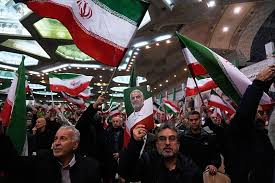
Parallel to internal unrest, 2026 has seen direct military escalation between Iran and external powers.
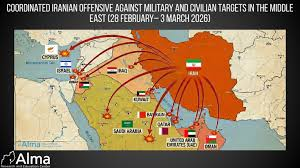
In late February, coordinated strikes by the United States and Israel targeted strategic Iranian military and infrastructure sites under the stated goal of countering Iran’s military capabilities and regional influence.
Iran’s leadership has responded with missile and drone attacks against U.S. and allied positions across the Middle East, including Gulf states, even as diplomatic rhetoric calls for de‑escalation.
Despite intense international speculation, U.S. intelligence assessments now suggest that even large‑scale military campaigns are unlikely to topple Iran’s entrenched clerical‑military leadership, underscoring the resilience — for better or worse — of Iran’s internal power structures.
1. Triggering Events and Timeline of Escalation
The military conflict in 2026 did not arise overnight. It is the culmination of political tensions, proxy conflicts, and international pressure:
- Early 2026: Heightened U.S. and Israeli concerns about Iran’s military activities in the region prompted preemptive strikes on key Iranian military and infrastructure sites.
- February 2026: Targeted airstrikes on missile storage facilities and nuclear-related infrastructure escalated tensions.
- Immediate Iranian Response: Iran retaliated with missile and drone attacks against U.S. and allied positions in the Gulf and neighboring countries.
This sequence of attack and counterattack has created a dangerous feedback loop, making further escalation increasingly likely.
2. Iran’s Military Posture and Strategic Objectives
Iran’s leadership has adopted a defensive yet assertive stance, aiming to:
- Deter foreign intervention by demonstrating the capability to strike regional targets.
- Reinforce domestic legitimacy, projecting strength to internal audiences amidst protests.
- Maintain influence in regional proxy conflicts, particularly in Iraq, Syria, and Lebanon.
Key military components include:
- Islamic Revolutionary Guard Corps (IRGC): Iran’s elite force that plays both domestic security and foreign operations roles.
- Ballistic missiles and drones: Core tools in retaliatory strikes.
- Naval deployments in the Persian Gulf: Controlling strategic waterways and threatening shipping lanes.
Despite these capabilities, analysts caution that Iran’s military infrastructure is under pressure, both from foreign strikes and internal disruptions caused by unrest.
3. Role of External Powers: United States and Israel
External powers have escalated military pressure to achieve strategic objectives:
- United States: Conducted targeted strikes to prevent Iran from expanding its military influence in the region and to safeguard allied bases in the Gulf.
- Israel: Focused on preemptive attacks against Iran’s missile and nuclear capabilities, citing national security threats.
Both nations are balancing military action with diplomatic messaging, attempting to contain the conflict while avoiding a full-scale war.
4. Civilian Impact and Infrastructure Damage
The escalation has had serious humanitarian consequences:
- Civilian casualties from missile and drone strikes, particularly in border regions and cities near military targets.
- Infrastructure damage, including power grids, communication networks, and transportation hubs, disrupting everyday life.
- Heightened fear and displacement, as citizens in conflict zones face uncertainty and insecurity.
This human dimension highlights that war is not just a strategic chess game; ordinary lives are directly affected.
5. Regional Implications – Iran and Iranians 2026
The conflict has implications beyond Iran’s borders:
- Middle East stability: Neighboring countries, including Iraq, Syria, and Gulf states, brace for spillover conflicts.
- Global energy markets: Disruptions in oil production and shipping routes contribute to rising global prices.
- International diplomacy: UN Security Council and regional alliances are forced to respond to escalating threats and potential humanitarian crises.
6. Possible Scenarios for Escalation and Resolution
Experts suggest several potential paths for the 2026 Iran conflict:
- Continued tit-for-tat military strikes, prolonging instability in the region.
- Negotiated ceasefire mediated by international actors, though difficult due to deep mistrust.
- Expansion into wider regional war, if miscalculations or further escalatory actions occur.
Each scenario carries both humanitarian and economic risks, emphasizing the urgent need for diplomacy alongside containment strategies.
Human Impact: Lives, Freedoms, and Voices
Amid these political and military upheavals, ordinary Iranians are enduring steep personal cost. Families contend not only with economic instability and scarcity but also with fear of state repression, forced disappearances, and loss of loved ones in violent crackdowns.
Furthermore, the internet blackout and shutdowns of open communication channels have left many citizens isolated and unable to share their experiences with the world.
International human rights organizations have expressed grave concern about the scale of violence and repression, urging transparent investigations and accountability for abuses.
1. Daily Life Under Crisis – Iran and Iranians 2026
The everyday life of Iranian citizens has been drastically disrupted:
- Scarcity of basic necessities: Food, medicine, and other essential items are in short supply due to economic collapse and disrupted supply chains. Families are forced to prioritize survival over education, healthcare, and other normal routines.
- Rising unemployment: Business closures and shrinking economic opportunities have left millions without stable income. Many now rely on informal labor or family support to survive.
- Psychological strain: Constant fear of violence, arrest, or harassment creates widespread anxiety, stress, and trauma among both adults and children.
2. Erosion of Freedoms – Iran and Iranians 2026
Iranians are living under significant restrictions on expression and movement:
- Freedom of speech: Journalists, bloggers, and protestors face arrests, torture, or intimidation. Independent media is blocked, leaving citizens with only state-sanctioned narratives.
- Freedom of assembly: Protests are violently suppressed. Security forces patrol streets, often using lethal force, making public gatherings life-threatening.
- Digital freedoms: Internet shutdowns and censorship have made communication with family, friends, and the outside world nearly impossible. Even encrypted apps are monitored, leaving people feeling isolated.
3. Courage and Resilience of Citizens
Despite severe risks, many Iranians continue to voice their grievances and resist suppression:
- Citizen journalism: Individuals secretly record and share videos of protests, crackdowns, and injustices, sometimes smuggling information to international media.
- Grassroots support networks: Communities organize aid for families affected by violence, provide food, and share information despite blackout conditions.
- Digital ingenuity: Use of VPNs, satellite internet, and encrypted communications enables some citizens to circumvent restrictions and maintain a semblance of connectivity.
These actions show the determination and resilience of ordinary Iranians, asserting that human spirit and voice cannot be completely silenced.
4. Displacement and Migration Pressures – Iran and Iranians 2026
The crisis has also created waves of internal and external displacement:
- Many families flee conflict zones or heavily militarized areas to seek safety in other parts of Iran.
- Some Iranians attempt to migrate abroad, seeking asylum due to economic hardship, political repression, and fear of violence.
- Migration pressures strain neighboring countries and create humanitarian challenges regionally.
5. International Awareness and Advocacy
Global organizations and human rights groups have responded to Iran’s human crisis:
- UN and NGO reports document violations, including extrajudicial killings and mass arrests.
- International advocacy campaigns seek to bring attention to the plight of Iranian citizens and pressure the government for accountability.
- However, internet censorship and restricted reporting make it challenging for the world to fully understand the human toll.
Regional and Global Repercussions
Iran’s crisis is not isolated. Because the country sits at a geopolitical crossroads and is a major energy producer, its instability has far‑reaching effects:
- Oil prices have surged, creating inflationary pressure globally and affecting energy markets from Europe to Asia.
- Neighboring countries face growing insecurity as Gulf states brace for potential spillover conflict.
- International institutions such as the UN Security Council have been forced to engage with the crisis, with sharp divisions emerging among global powers on how to respond.
1. Regional Security Challenges – Iran and Iranians 2026
Iran’s instability has heightened tensions across the Middle East:
- Neighboring countries on alert: Gulf states, Iraq, Syria, and Lebanon monitor Iran’s actions closely, fearing spillover conflicts or refugee inflows.
- Proxy conflicts intensify: Iran’s influence through militias in Lebanon (Hezbollah), Iraq, and Yemen complicates regional security. Any escalation risks drawing multiple actors into a wider conflict.
- Maritime chokepoints under threat: The Strait of Hormuz, a critical global oil shipping route, faces potential disruption, which could endanger international trade.
2. Economic Spillover Effects Iran and Iranians 2026
Iran’s economic meltdown and conflict have direct and indirect effects on regional economies:
- Oil market disruption: Iran is a major oil producer. Military escalation and reduced exports have caused global oil prices to spike, affecting energy costs worldwide.
- Trade interruptions: Sanctions, infrastructure damage, and restricted ports hinder trade with neighboring countries, slowing regional commerce.
- Financial market instability: Investors perceive the region as risky, reducing investment in critical sectors and increasing borrowing costs for nearby nations.
3. Global Economic Implications – Iran and Iranians 2026
The crisis in Iran reverberates across the world economy:
- Inflation pressures: Rising oil prices contribute to global inflation, affecting energy costs, transportation, and basic commodities in Europe, Asia, and beyond.
- Supply chain disruptions: Iran’s strategic location and regional trade connections mean that manufacturing and logistics chains are affected, increasing delays and costs worldwide.
- Investor caution: Heightened geopolitical risks in the Middle East create market volatility and deter foreign investment.
4. Diplomatic and Humanitarian Responses
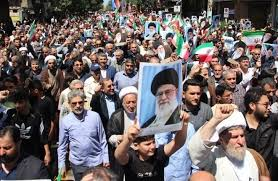
The international community has responded cautiously, balancing pressure, sanctions, and mediation efforts:
- United Nations engagement: The UN Security Council has debated measures to reduce violence and protect civilians, though consensus is limited.
- Humanitarian aid concerns: Displacement, shortages of food and medicine, and economic collapse have prompted calls for emergency aid.
- Diplomatic negotiations: Some global powers have attempted to mediate between Iran and the United States or Israel to avoid wider conflict.
These measures highlight how Iran’s internal crisis has forced global attention, turning domestic unrest into an international concern.
5. Risk of Escalation Beyond the Region
The ongoing instability in Iran creates risks that extend far beyond the Middle East:
- Military escalation: Miscalculations between Iran, Israel, and the U.S. could trigger broader regional warfare.
- Refugee crises: Displacement may affect neighboring countries, Europe, and beyond.
- Global geopolitical tension: Iran’s relations with Russia, China, and other powers complicate international diplomacy, making conflicts more unpredictable.
What Comes Next: Scenarios for Iran in 2026 and Beyond
Looking forward, Iran’s trajectory remains deeply uncertain. Several broad scenarios lie ahead:
• Continued Repression and Stagnation
The government may tighten its grip, suppress dissent further, and attempt to survive amid sanctions and economic decay.
• Internal Negotiations and Limited Reform
Some analysts believe incremental political openings could emerge if domestic pressure and international diplomacy converge.
• Prolonged Regional Conflict – Iran and Iranians 2026
Without meaningful de‑escalation, Iran’s military confrontation with external powers may become even more entrenched, prolonging instability across the Middle East.
What remains clear is that Iran in 2026 is no longer the same nation it was just a year ago — and the resolution of its intersecting crises will shape not just its internal future, but also the politics, economies, and security of the broader region and world.
1. Continued Regime Continuity and Hardline Survival
Core idea: The existing theocratic system survives intact, adapting under pressure rather than collapsing.
- Even under sustained foreign military pressure, intelligence assessments indicate that Iran’s clerical‑military leadership has institutional resilience and succession mechanisms that ensure regime continuity — a process currently managed by the Assembly of Experts and bolstered by the IRGC and state structures.
- Under this scenario:
- A new Supreme Leader (likely a hardline figure, possibly a successor like Mojtaba Khamenei) consolidates power, signaling continuity of ideological rule.
- Internal security forces suppress dissent with even more centralized authority, making major political reforms unlikely.
- The state could transition into a more militarized governance model, where the IRGC plays an expanded role in both politics and economics.
Implications:
- Protests and dissent remain tightly controlled or underground.
- A hardline Iran persists as a geopolitical actor, maintaining influence through proxies despite external pressure.
2. Limited De‑escalation and “Cold Peace”
Core idea: The active conflict winds down to a tenuous ceasefire or freeze, without transforming Iran’s internal political landscape.
- A negotiated halt to major hostilities — or at least a reduction in large‑scale attacks — could resemble patterns seen in previous Middle East flare‑ups. Analysts describe this as a return to latent hostility, where overt war subsides but deeper tensions remain.
- External powers might broker temporary de‑escalation, similar to ceasefire dynamics after past Middle East conflicts.
What this means for Iran:
- Military intensity drops, but sanctions and economic hardship remain, with little structural change.
- Iran may retain core institutions while simply bracing for prolonged geopolitical risk.
Implications:
- Global commodities markets experience relief but remain sensitive to flare‑ups.
- Iran’s international isolation persists, reinforcing economic decline.
3. Escalation and Regime Destabilization
Core idea: Continued military escalation, combined with internal unrest, could push Iran toward political disintegration or regime change over time.
- Some comprehensive scenario analyses project that if foreign military pressure expands geographically — into neighboring states or via attempts to dismantle leadership hierarchies — Iran’s political coherence could erode.
- Unaddressed internal grievances, economic collapse, and societal fragmentation could weaken regime control.
Possible outcomes:
- Fragmentation of authority — provinces or factions break from central control.
- Military ousting of hardline leadership under internal pressure.
- A transitional authority or coalition emerging amid chaos.
Challenges:
- External intervention intended to force regime change risks widespread conflict and humanitarian disaster.
- A power vacuum could trigger prolonged instability, similar to civil conflict in other nations.
4. Diplomatic Negotiation and Regional Compromise
Core idea: Iran and other global powers reach negotiated settlements that reduce military conflict and offer pathways to economic relief.
- History shows that diplomacy can prevent long wars, especially when all sides face unsustainable costs.
- If Iran gains limited relief from sanctions in exchange for rolling back contentious programs, a diplomatic canal could open.
Potential features:
- A phased ceasefire tied to international monitoring.
- Economic incentives to rebuild war‑torn infrastructure and revive agriculture/industry.
- Limited recalibration of Iran’s foreign policy toward neighbors over time.
Limitations:
- Trust deficits remain deep, and achieving genuine concessions from hardline leaders will be challenging.
5. Internal Reform or Hybrid Transition
Core idea: Iranian society itself drives change toward a more participatory political model over the long term.
- While difficult under present conditions, internal pressures — driven by mass protests, youth dissatisfaction, and economic despair — could culminate in a gradual reform movement or hybrid governance model.
- This scenario relies on:
- Sustained civic activism demanding political inclusion.
- Intellectual and cultural movements pushing for new leadership norms.
- Possible integration of technocratic or moderate elements into governance.
Possible result:
- Hybrid political systems blending religious and democratic elements.
- Partial restoration of freedoms with incremental reform rather than outright revolution.
Considerations:
- This path requires strong social cohesion and external support without military overreach.
Key Factors That Will Shape Which Scenario Prevails
• Leadership Transition
How Iran manages succession and power consolidation in the wake of leadership changes will be a central determinant of political direction.
• Economic Resilience
Persistent hyper‑inflation and war‑driven economic collapse could accelerate social pressures, especially if sanctions persist.
• External Pressures
Actions by the U.S., Israel, Gulf states, and global powers will influence whether conflict de‑escalates or spirals.
• Popular Mobilization
Grassroots movements, both inside Iran and within the diaspora (e.g., global days of action), can sustain pressure for political reform
Conclusion
The situation in Iran in 2026 is unlike any in recent history. Political unrest, economic collapse, digital suppression, and escalating military tensions have converged, placing the country in a precarious position. The protests that erupted across cities, from Tehran to Mashhad, reflect deep societal dissatisfaction that goes far beyond ordinary grievances.
Citizens are demanding not only basic economic security but also the restoration of freedoms, transparency, and accountability — rights that have been systematically curtailed for decades. Yet, the government’s response, marked by violent crackdowns and mass arrests, demonstrates the regime’s determination to maintain control at almost any cost.
This tug-of-war between state authority and popular dissent has defined the political landscape of Iran in 2026, and the stakes could not be higher.
Pingback: Mojtaba Khamenei (3rd Supreme Leader Of Iran) -
Pingback: Kharg Island Conflict Zone Report-Plan Crash -