
Oil isn’t just a commodity; it’s the lifeblood of modern economies. Latest Oil Pricing globally affects everything from the price you pay at the gas pump to how industries function, to inflation, and national budgets.

On 09 March 2026, oil markets were especially volatile, with Brent crude and West Texas Intermediate (WTI) prices rising sharply amid geopolitical tensions, causing ripple effects around the globe.
What Are Oil Prices and How Are They Determined?
At its core, the price of oil reflects the balance between supply and demand. Two major benchmark prices often cited are:
- Brent Crude Oil Price — an international benchmark derived from oil produced in the North Sea.
- WTI (West Texas Intermediate) Crude Price — the U.S. benchmark, reflecting oil produced in America.
These prices are influenced by factors like geopolitical risk, production levels, economic data, and futures market expectations. Crude oil prices are quoted in USD per barrel, and one barrel equals approximately 159 liters.
Global oil contracts, including crude oil futures and oil futures price indicators, allow traders and companies to hedge and speculate on future price movements. Futures prices often signal expected supply and demand conditions months ahead, allowing companies and governments to make strategic plans.
Recent Trends: Why Oil Prices Are So High in 2026
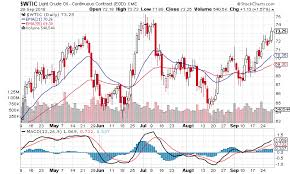
In early 2026, oil prices experienced unusual turbulence. Most notably:
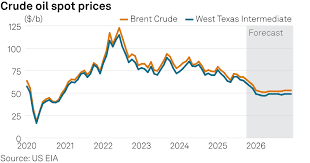
- Brent crude surged above $110–$119 per barrel, levels not seen since 2022, driven by escalating conflict in the Middle East.
- WTI crude also climbed above $110 per barrel, closing the gap with Brent due to tight supplies and supply‑chain bottlenecks.
- These sharp rises occurred amid threats to oil transportation routes like the Strait of Hormuz, through which roughly 20% of the world’s oil flows.
This surge wasn’t purely speculative — supply disruptions from major producers (like Iraq and Kuwait) cutting output, threats to key trade routes, and heightened geopolitical risk all pushed prices upward.
Oil Prices Around the World
United States
The U.S. plays a unique role as both a major producer and consumer of oil. Normally, WTI crude trades slightly below Brent because the U.S. market is more isolated from global transit routes. But recent tensions have tightened supply even in U.S. domestic markets, pushing WTI prices above $110 per barrel in early March.
At the pump, this translates to higher prices for gasoline and diesel, which can boost inflation — something central banks monitor closely when setting interest rates.
United Kingdom
In the UK, fuel prices are strongly linked to global Brent crude prices, since much of Europe imports oil from global markets. When Brent moves above $110–$115 a barrel, as it did recently, it puts direct upward pressure on consumers’ petrol and diesel costs, even before taxes. Higher oil prices also mean higher operating costs for transport and logistics, often feeding into general inflation.
India
India is one of the largest importers of crude oil in the world, importing approximately 80–90% of its needs. This makes Indian fuel prices extremely sensitive to global crude price movements. When Brent rises, the import bill increases substantially, leading to:
- Higher petrol and diesel prices
- Increased transportation costs
- Elevated inflation pressures
If Brent crude remains above $110 or climbs toward potential upper levels like $120+, India may see fuel cost spikes that impact food and commodity prices.
Pakistan
Like India, Pakistan is heavily dependent on imported oil. High global crude prices can significantly strain Pakistan’s economy by:
- Increasing the cost of importing crude oil dramatically
- Widening the trade deficit
- Forcing higher taxes or levies on petroleum products
For instance, the monthly bill for oil imports was projected to reach around $600 million amid rising prices, straining fiscal resources.
Other Major Economies
Countries such as China, Japan, Germany, and France also import significant volumes of oil. High crude prices can slow economic growth by boosting manufacturing and transport costs, putting added pressure on consumer prices.
Meanwhile, oil‑producing nations like Saudi Arabia, UAE, Kuwait, and Russia often benefit from higher prices — but only if infrastructure and exports remain stable. Recent disruptions in the Strait of Hormuz, which affect much of Gulf’s oil exports, highlighted how fragile supply routes can impact global pricing.
How Crude Oil Futures and Pricing Work
Crude oil futures represent contracts to buy or sell oil at a future date and price. These are traded on exchanges like the CME Group and help companies hedge against price swings.
Key terms:
- Crude oil futures | Latest Oil Pricing Globally: Contracts used to secure a price for future delivery.
- Oil futures price | Latest Oil Pricing Globally: The market price for these forward contracts is influenced by supply, demand, geopolitics, and market sentiment.
- Brent futures vs. WTI futures | Latest Oil Pricing Globally: While Brent tends to reflect global supply conditions, WTI futures are more U.S.-centric but increasingly influenced by global tensions.
When futures prices rise, they often signal expectations of tighter supply or stronger demand in the near future.
Impact on Daily Life and the Economy
Higher oil prices ripple across economies in many ways:
- Fuel Prices: As crude prices rise, petrol and diesel costs increase proportionally, making daily commuting more expensive.
- Inflation: Higher energy costs feed into food, goods, and services, contributing to inflation.
- Transportation Costs: Airlines, shipping, and logistics face higher operational expenses.
- Economic Growth: Slower growth often follows when energy becomes more expensive, especially if central banks respond with higher interest rates to curb inflation.
During periods when crude oil prices exceed $100 per barrel, these effects tend to be more pronounced and widespread.
The Current Outlook and Future Expectations
Oil analysts are divided on what comes next. Some see ongoing geopolitical risk continuing to keep oil prices elevated — potentially even reaching levels above $130–$150 per barrel if supply disruptions persist. Others argue that market forces, increased production, or resolution of conflicts could stabilize prices.
Either way, the recent surge above the $110–$115 range demonstrates that oil prices remain sensitive to global events, and markets are paying keen attention to both Brent crude and WTI benchmarks.
Conclusion
Oil pricing is a complex mix of geopolitics, supply chain constraints, futures trading, and global demand. With key benchmarks like Brent crude and WTI rising sharply in early 2026 due to Middle East tensions, the effects are being felt from Pakistan to the USA, UK, India, and beyond.
When crude oil prices surge, consumers pay more at the gas pump, businesses pay more to transport goods, and national economies face rising inflation. Understanding how these prices are determined, from oil barrel price to crude oil futures — helps explain why energy costs are so closely watched worldwide.
Pingback: Kharg Island Conflict Zone Report-Plan Crash -